

Driving Progress: Industrial Projects Implementation in the GCC

The Gulf Cooperation Council region stands at a defining moment in its economic evolution. With ambitious targets to double manufacturing sector value every decade and a $100 billion commitment to renewable energy infrastructure, the GCC's industrial landscape presents extraordinary opportunities for strategic capital deployment and long-term value creation.
At Licorne Gulf Family Office, we position ourselves as strategic partners and investment holding entities in this transformation: actively participating in industrial projects that reshape regional economies while delivering sustainable returns. This isn't about observing from the sidelines. It's about direct engagement, capital commitment, and building ventures that define the next generation of GCC industrial capability.
The Strategic Framework Driving Regional Transformation & Private Equity Investments.
The GCC's Unified Industrial Development Strategy represents more than policy coordination: it establishes a comprehensive blueprint for integrated industrial growth that creates distinct pathways for private equity investments and growth capital deployment.

This framework prioritizes manufacturing, export, and logistics industries with a clear objective: creating knowledge-based economies that reduce hydrocarbon dependence while maintaining competitive advantages. For investment holding entities, this translates into unprecedented access to capital-intensive projects across chemical processing, hydrocarbon refinement, basic minerals, and advanced engineering sectors.
What makes this particularly compelling? The strategy combines government infrastructure investment with substantial incentives for private sector participation: creating co-investment opportunities where growth capital Middle East flows alongside public resources to establish world-class industrial capabilities.
Consider the scale: the UAE's Operation 300bn initiative alone targets 13,500 industrial SMEs, aiming to significantly increase the manufacturing sector's GDP contribution by 2031. These aren't abstract targets. They represent concrete project pipelines where strategic investors can participate in ventures spanning industrial parks, specialized manufacturing facilities, and technology-intensive production operations.
Investment Structures and Implementation Mechanisms
How do we translate regional strategy into tangible investment opportunities? The GCC model employs several mechanisms that create distinct entry points for strategic capital.
Direct Project Participation: Governments establish industrial projects individually or collectively, often structured as joint ventures in capital-intensive sectors, security-critical industries, and advanced-technology initiatives. These ventures typically begin with government majority stakes but include planned transitions to private ownership once operations stabilize and profitability trajectories become clear.
This creates a unique opportunity structure. Early-stage participation allows investment holding entities to secure positions in foundational infrastructure projects while benefiting from government de-risking during critical development phases. As projects mature and ownership transitions occur, strategic investors gain operational control of established, revenue-generating assets.

Syndication and Local Partnership Models: The region's emphasis on local content requirements and regional integration creates natural syndication opportunities. Rather than single-entity project development, many industrial initiatives succeed through partnership structures that combine international capital and expertise with regional market access and operational capabilities.
For investment holding entities focused on the Middle East, this syndication approach offers several advantages. It distributes capital requirements across multiple participants, leverages complementary strengths among partners, and addresses local ownership and employment mandates that increasingly shape project approvals.
The Free Zone Advantage for Industrial Ventures
Middle East Free Zones have evolved far beyond simple tax optimization structures. Today's free zones function as comprehensive industrial ecosystems offering regulatory frameworks, infrastructure access, and market connectivity specifically designed for manufacturing and production operations.
Recent free zone developments in the UAE, Saudi Arabia, and Qatar provide distinct advantages for industrial project implementation:
Regulatory Streamlining: Free zones offer unified approval processes that compress typical project timelines significantly. Where mainland industrial licensing might require navigation through multiple governmental entities over extended periods, free zone structures consolidate approvals through single administrative bodies.
Capital Efficiency: Duty-free import of raw materials and equipment, coupled with repatriation guarantees for capital and profits, fundamentally improves project economics. For capital-intensive industrial ventures, these provisions directly enhance return profiles and reduce working capital requirements.
Strategic Location: Modern free zones position industrial operations at critical logistics nodes: adjacent to ports, airports, and transportation corridors that facilitate both regional distribution and global export operations. This geographical advantage becomes particularly valuable for ventures targeting pan-GCC markets or leveraging the region as a manufacturing hub for broader international markets.
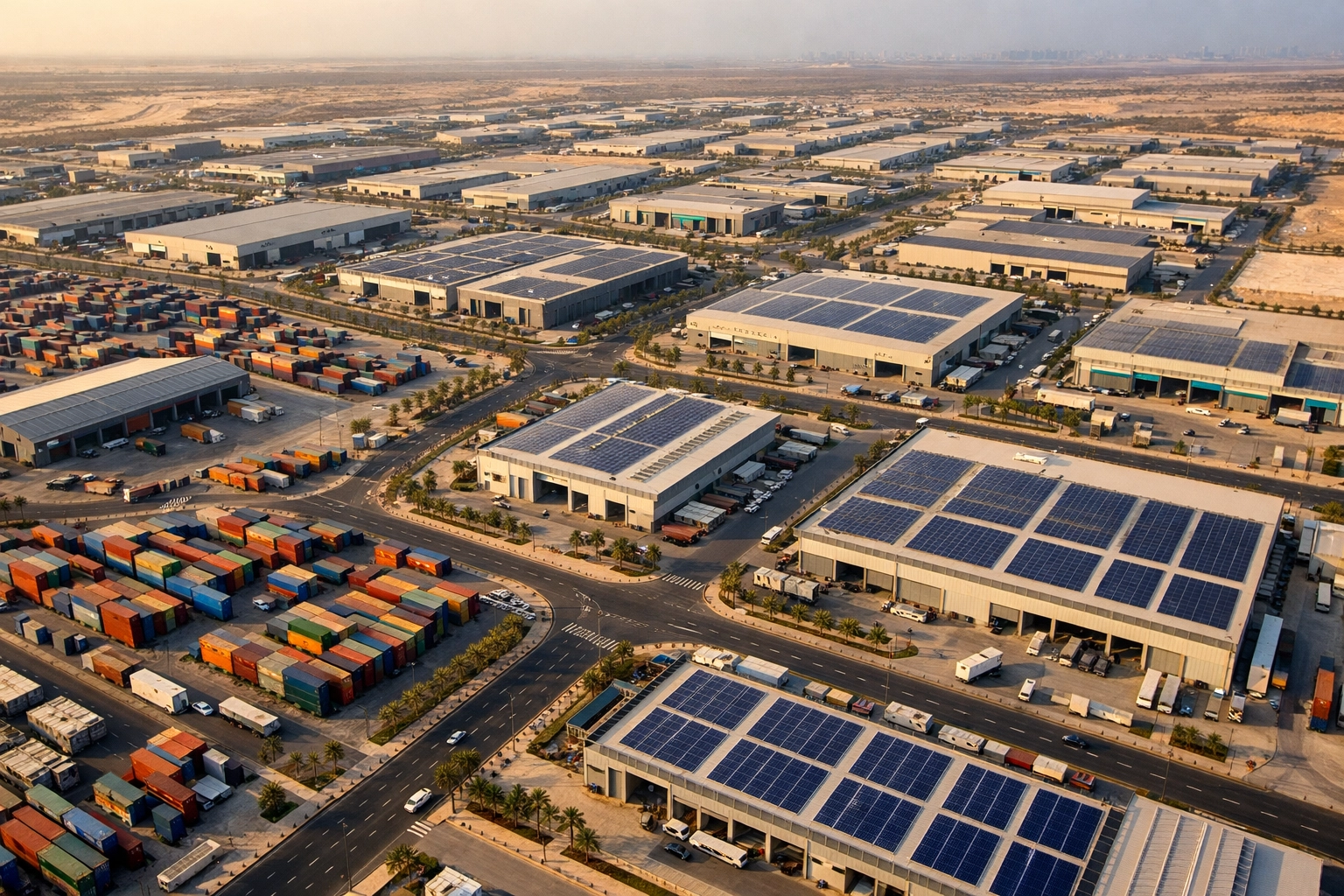
At Licorne Gulf, we actively evaluate business growth strategies that leverage these free zone advantages for industrial project implementation. Our approach focuses on ventures where free zone benefits create sustainable competitive advantages rather than temporary cost savings: projects where regulatory efficiency, capital structures, and location combine to establish defensible market positions.
Sector-Specific Opportunities and Capital Deployment
The GCC's industrial strategy prioritizes specific sectors where regional advantages: energy access, geographic position, government support: create genuine competitive advantages. Understanding these priorities helps focus capital deployment toward ventures with structural tailwinds rather than fighting headwinds.
Chemical and Petrochemical Processing: The region's abundant hydrocarbon feedstock creates natural advantages in chemical manufacturing and refining. Projects in this sector benefit from input cost advantages, established infrastructure, and growing regional demand. For strategic investors, opportunities span from specialty chemicals production to advanced materials manufacturing.
Advanced Manufacturing and Engineering: As GCC economies emphasize technology transfer and knowledge-based growth, opportunities emerge in precision manufacturing, industrial equipment production, and engineering services. These ventures often incorporate technology partnerships with international entities while establishing regional production capabilities.
Renewable Energy Infrastructure: The $100 billion commitment to renewable energy creates project pipelines across solar panel manufacturing, wind turbine production, battery storage systems, and green hydrogen facilities. These ventures align long-term structural trends: decarbonization, energy security: with immediate regional investment priorities.
Construction Materials and Industrial Supplies: Ongoing infrastructure development across housing, transportation, and commercial real estate creates sustained demand for construction materials, industrial inputs, and supporting services. Projects in this sector benefit from visible demand pipelines and relatively shorter capital cycles compared to more complex industrial ventures.
Our Role as Strategic Investment Partners
When we engage in industrial project implementation, our participation extends beyond capital provision. As an investment holding entity, we structure our involvement to create alignment with operating partners, contribute strategic capabilities, and position ventures for sustainable success.
This means several things in practice:
We participate in governance structures that allow meaningful input into strategic decisions, operational priorities, and capital allocation. Our goal isn't passive investment: it's active partnership in building enterprises that create lasting value.
We leverage our network access across Middle Eastern markets to support project development, market entry, and partnership formation. Industrial ventures succeed not just through operational execution but through market connectivity, relationship capital, and strategic positioning.
We structure our capital participation to align with project timelines and development stages. Industrial projects often require patient capital that supports ventures through development phases, construction periods, and operational ramp-ups before achieving target returns. Our investment approach accommodates these realities rather than imposing unrealistic timeline pressures.
We contribute strategic perspective drawn from experience across multiple sectors and geographies. Industrial project success requires navigation through regulatory environments, market dynamics, competitive positioning, and operational complexities. Our involvement aims to strengthen decision-making and risk management throughout project lifecycles.
Looking Forward: Positioning for the Next Decade
The GCC's industrial transformation represents more than a regional development story: it signals a fundamental reorientation of global manufacturing geography. As supply chain resilience becomes increasingly critical, as decarbonization reshapes industrial processes, and as emerging markets drive demand growth, the region's strategic position strengthens.

For investment holding entities, this creates several imperatives:
Build relationships now with regional development agencies, free zone authorities, and industrial sector participants. Tomorrow's opportunities flow from today's network development and reputation building.
Develop sectoral expertise in priority industries where GCC advantages create genuine competitive positions. Generic industrial exposure offers less compelling prospects than focused participation in sectors where regional strengths concentrate.
Structure capital to support long-horizon ventures. The most attractive industrial opportunities often require multi-year development timelines that demand patient, committed capital rather than short-term speculative positioning.
Embrace partnership models that combine international capabilities with regional operational strengths. Successful industrial ventures increasingly require hybrid approaches that leverage diverse expertise and market access.
The industrial transformation underway across the GCC creates distinct opportunities for strategic capital deployment. As governments invest billions in infrastructure, incentivize private sector participation, and establish regulatory frameworks supporting industrial growth, windows open for investors willing to commit meaningful capital to well-structured ventures.
At Licorne Gulf Family Office, we view industrial project implementation not as isolated transactions but as foundational elements of long-term value creation across Middle Eastern markets. By combining strategic capital deployment with active partnership and sectoral focus, we position our portfolio for participation in the region's industrial evolution: building ventures that generate returns while contributing to economic transformation.
The question isn't whether the GCC's industrial ambitions will reshape regional economies. The question is which investors will position themselves as strategic partners in that transformation, deploying capital and expertise to participate in building the region's industrial future.


Comments