

Looking For Growth Capital in the Middle East? 10 Things You Should Know

The Middle East isn't just emerging anymore: it's arrived. If you're a founder, entrepreneur, or business leader seeking growth capital, this region should be at the top of your radar. But here's the thing: navigating the capital landscape here requires more than enthusiasm. It demands insight, strategy, and a clear understanding of what makes this market tick.
Whether you're eyeing Saudi Arabia's ambitious Vision 2030 projects, the UAE's thriving business ecosystem, or Qatar's expanding investment appetite, the opportunities are substantial. So are the nuances. Let's walk through the ten essential things you need to know before pursuing growth capital in the Middle East.
1. Regional Economic Growth Is Outpacing Global Benchmarks
Here's the headline number: the MENA region's GDP is projected to rise by 3.6% year-on-year in 2026, comfortably exceeding global GDP growth of 3.1%. The UAE alone is forecast to grow around 5.0%: more than double the expected growth rates in the United States and the Eurozone.
What does this mean for you? It means you're not chasing capital in a stagnant market. You're entering an economy with genuine momentum, where investors are actively deploying funds and seeking high-quality opportunities. The rising tide here is real, and it's lifting a lot of boats.
2. Not All Markets Are Created Equal
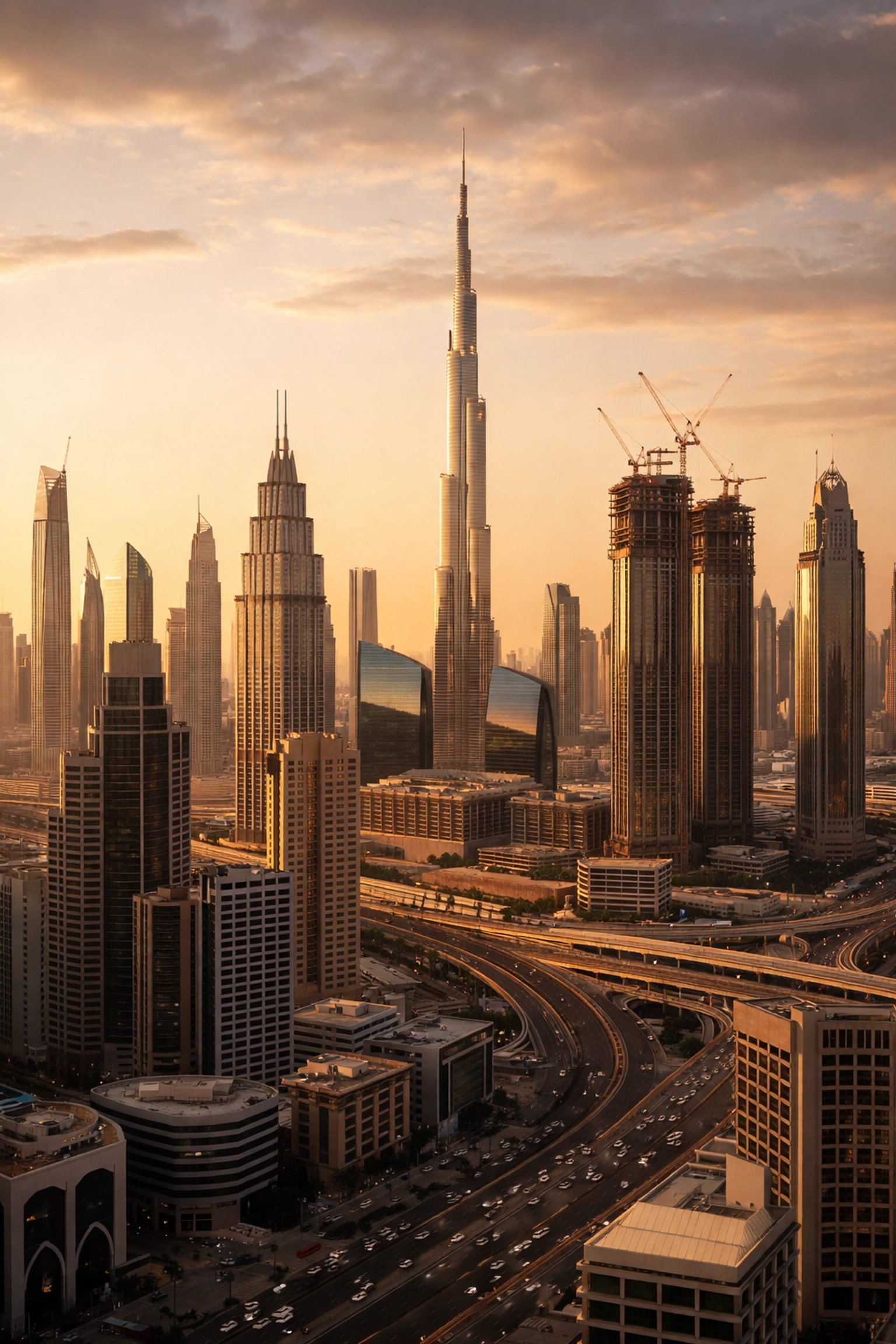
Growth rates vary significantly across the region. Qatar leads at 4.9%, followed by Egypt at 4.4%, while the UAE and Saudi Arabia clock in at 4.3% and 3.6% respectively. Smaller GCC markets like Kuwait face slower expansion at around 2.5%.
This isn't a one-size-fits-all region. Your capital-raising strategy should be tailored to the specific dynamics of each market. A fintech seeking rapid scale might thrive in the UAE's mature ecosystem, while an industrial infrastructure play could find stronger traction in Saudi Arabia. Know where your business fits best.
3. Sovereign Capital Changes Everything
One of the most distinctive features of Middle Eastern capital markets is the presence of massive sovereign wealth funds. Saudi Arabia's Public Investment Fund (PIF), along with UAE-based giants like Mubadala and ADQ, act as structural drivers for investment and M&A activity across the region.
Why does this matter? These institutions deploy patient, long-term capital. They're not chasing quarterly returns or panicking at the first sign of global volatility. This creates a layer of execution certainty and deep liquidity that's hard to find elsewhere. If your business aligns with national strategic priorities, sovereign capital can be a game-changer.
4. M&A Activity Is Accelerating: Not Slowing
Despite global economic headwinds, the Middle East recorded approximately 271 M&A transactions in the first half of 2025, representing 19% year-on-year growth. That's remarkable in a period when many other regions saw deal flow contract.
There's also a notable shift toward mid-market, high-impact transactions: deals that are easier to finance, quicker to execute, and often more strategically focused. For growth-stage companies, this creates a favorable environment. Acquirers are active, and they're looking for quality targets with clear value propositions.
5. The Banking System Is Ready to Lend
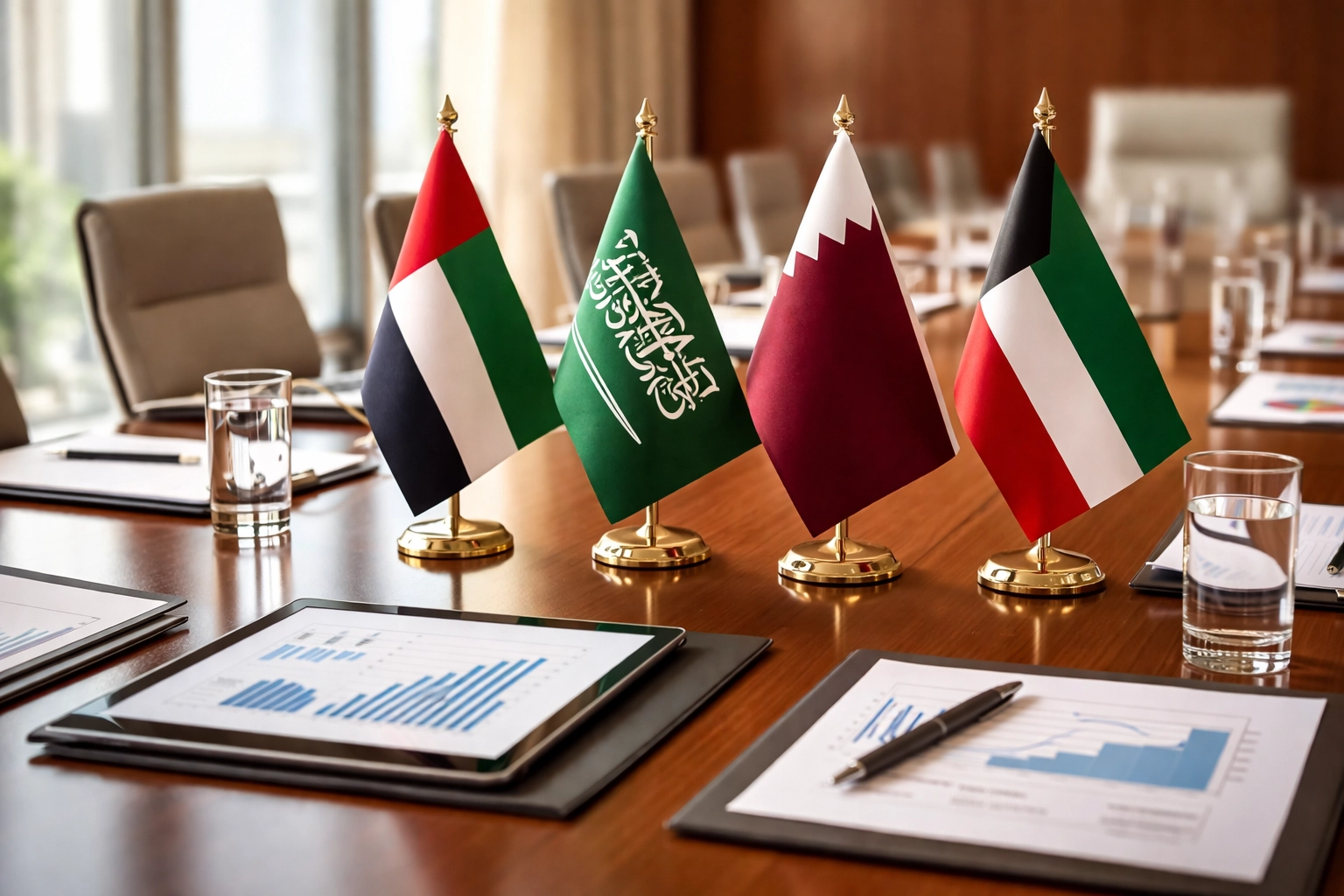
Growth capital doesn't always come from equity investors. The region's banking system is positioned for solid credit growth, particularly in the UAE and Saudi Arabia. UAE banks currently enjoy the lowest loan-to-deposit ratio in the GCC, with private-sector credit growing approximately 9% year-on-year by mid-2025.
What this tells us is that debt financing options are expanding. If your business has strong fundamentals and predictable cash flows, you may find attractive lending terms available. This opens up alternatives beyond traditional equity raises: potentially allowing you to retain more ownership while still fueling growth.
6. Debt Capital Markets Are Reaching New Heights
Beyond bank lending, the GCC's broader debt capital market is set to exceed $1.25 trillion in 2026. Saudi Arabia's debt capital market alone is expected to reach $600 billion by year-end.
Sukuk (Islamic bonds) are hitting record shares of debt issuance, indicating diverse funding channels for businesses that understand how to access them. For companies at the right scale, tapping into these markets can provide growth capital at competitive rates: especially when structured in ways that align with regional preferences for Sharia-compliant instruments.
7. Strategic Sectors Are Where the Money Flows
Capital isn't distributed evenly across all industries. Investment is being deliberately channeled toward sectors aligned with national strategic priorities: technology, energy transition, healthcare, industrial infrastructure, renewable energy, construction, and digital infrastructure.
These aren't arbitrary choices. They're directly tied to long-term national visions: Saudi Arabia's Vision 2030, the UAE's National Strategy for Artificial Intelligence 2031, and similar frameworks across the region. If your business operates in one of these sectors, you're swimming with the current, not against it. If you don't, consider how your offering might connect to these broader themes.
For a deeper dive into where capital is moving globally, our analysis of key global investment trends offers additional context.

8. Non-Oil Diversification Creates Fresh Opportunities
Here's an important nuance: while oil remains significant, non-oil GDP growth in the UAE and Saudi Arabia is expected to reach close to 5%. This diversification isn't just rhetoric: it's happening in measurable ways.
Financial services, real estate, tourism, retail, and digital sectors are all expanding as governments actively reduce economic dependence on hydrocarbons. For entrepreneurs and investors alike, this creates opportunities in industries that might have been overlooked a decade ago. The region's economic identity is evolving, and those who recognize this shift early will be well-positioned.
9. AI and Digital Transformation Are Priority Drivers
The Middle East is making major bets on digital infrastructure and AI integration. This isn't a peripheral trend: it's central to regional growth strategies. Governments are investing heavily to boost productivity, modernize public services, and create globally competitive digital economies.
For technology-focused businesses or digitally-enabled companies in traditional sectors, this represents significant opportunity. Whether you're building AI solutions, offering digital transformation services, or simply running a tech-forward operation, the regional appetite for innovation works in your favor.
We've explored how these themes intersect with smart investment strategies in our recent publications.
10. Geopolitical and Climate Risks Require Clear-Eyed Due Diligence
No opportunity comes without risk. While the outlook is broadly favorable, geopolitical tensions and climate-related challenges remain factors that could disrupt investment and economic activity. Regional conflicts, regulatory shifts, and environmental pressures all warrant careful consideration.
Additionally, pricing gaps between buyer and seller expectations continue to slow some transactions. Sophisticated investors are conducting deeper operational due diligence than ever before. If you're seeking capital, be prepared for rigorous scrutiny of your business model, governance structures, and risk management practices. Transparency and preparation will serve you well.
Positioning Yourself for Success & Growth Capital Middle East
The Middle East's growth capital landscape is dynamic, well-funded, and increasingly sophisticated. But success here requires more than showing up with a pitch deck. It demands understanding the regional context, aligning with strategic priorities, and approaching the market with both ambition and humility.
At Licorne Gulf, we work with entrepreneurs and businesses navigating these exact dynamics. Whether you're raising growth capital, exploring M&A opportunities, or seeking advisory support for cross-border transactions, having experienced partners who understand the regional landscape makes all the difference.
The capital is here. The momentum is real. The question is: are you ready to capture it?


Comments