

The 2026 Energy Spike: Navigating Geopolitical Risk in Middle East Portfolios

The first week of March 2026 has fundamentally shifted the global investment narrative. Following the military escalations involving Iran on March 1st, the world’s eyes have turned once again to the Strait of Hormuz: a narrow waterway that carries nearly 20% of the world’s oil and LNG supply. For many, the sudden spike in energy prices and the drone activity reported across regional borders signal a time for retreat. But for those of us who have navigated the complexities of the Gulf Cooperation Council (GCC) for nearly three decades, we recognize a different pattern emerging.
In the face of heightened geopolitical risk, the question isn’t whether to invest in the Middle East, but rather how to intelligently reallocate capital to capture the massive structural shifts currently underway. At Licorne Gulf Family Office, we believe that volatility is the ultimate filter; it separates speculative capital from strategic growth capital.
How do we distinguish between short-term noise and long-term value in a market that feels this intense? Let’s explore the landscape of 2026 and the specific opportunities that emerge when energy markets and geopolitics collide.
The Energy Catalyst: Beyond the Price Spike
The immediate market reaction has been swift. Brent crude, which sat comfortably under $73 just weeks ago, is now testing the $90 range, with analysts warning of a potential climb toward $140 if the Strait of Hormuz remains contested. Simultaneously, European natural gas (TTF) has seen a 40% surge as the market prices in the potential loss of Qatari LNG shipments.
While these numbers are jarring, they represent more than just a temporary supply squeeze. This "Energy Spike" is accelerating a massive capital pivot toward energy infrastructure and resilience.
Why Infrastructure is the New Safe Haven
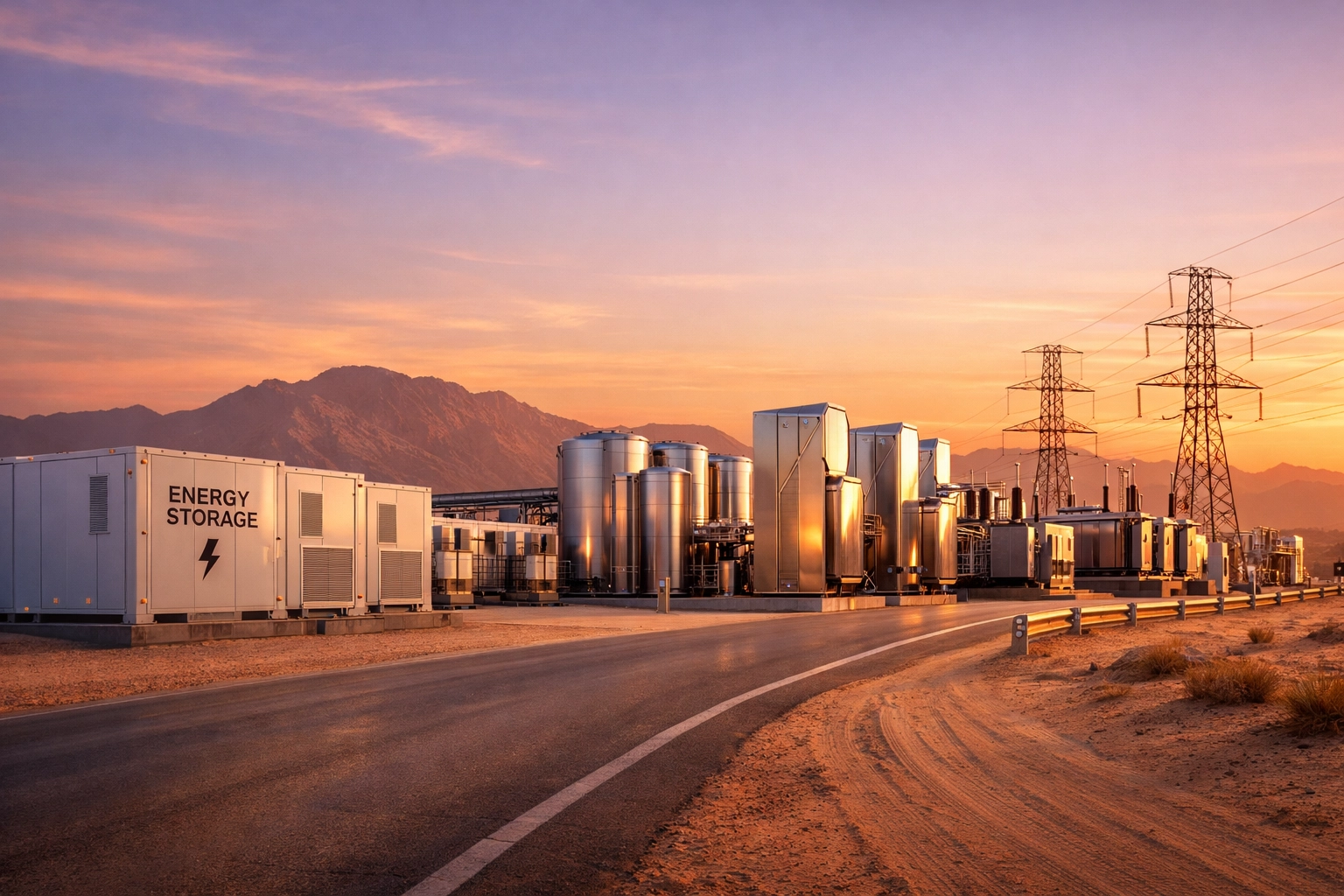
When supply routes are threatened, the value of alternative logistics skyrockets. We are seeing a renewed focus on Saudi Arabia’s East-West pipeline and the expansion of energy storage facilities in the UAE and Oman. Investors who prioritize private equity investments in midstream energy assets are finding that "geopolitical risk" actually increases the long-term utility and valuation of these projects.
Strategic infrastructure isn't just about oil; it's about the security of the entire global supply chain. By modernizing these assets, we aren't just betting on high oil prices: we are investing in the essential plumbing of the global economy.
Defense and Cybersecurity: The New Performance Tech
The nature of conflict in 2026 is hybrid. Recent events have demonstrated that traditional borders are now defended as much by code as they are by hardware. The drone and missile activity seen in recent days has highlighted the critical need for "performance tech": advanced defense systems and sophisticated cybersecurity frameworks.
For the growth capital Middle East landscape, this is a pivotal moment. We are seeing a surge in demand for:
AI-Driven Threat Detection: Systems that can process petabytes of data in real-time to neutralize threats before they reach infrastructure.
Critical Infrastructure Hardening: Ensuring that desalination plants, power grids, and refineries are immune to cyber-kinetic attacks.
Sovereign Tech Stacks: A move toward localized, secure cloud environments that reduce dependency on foreign digital architecture.
At Licorne Gulf, we have long advocated for the intersection of technology and security. In today's environment, cybersecurity is no longer an "IT expense": it is a fundamental pillar of corporate finance expertise and risk management.
Navigating Volatility with 27 Years of Perspective
It is easy to react to headlines. It is much harder to maintain the "steady hand" required to manage a family office portfolio during a regional crisis. With over 27 years of experience in the GCC, our team at Licorne Gulf has seen cycles of tension and triumph. We have learned that the Middle East possesses a unique brand of resilience.
Consider the "Vision" projects: Saudi 2030, Qatar National Vision, and the UAE’s Centennial 2071. These are not mere marketing slogans; they are multi-decade, state-backed mandates that operate on a timeline far beyond the current news cycle. Despite the friction in the North, the foundational commitment to diversifying these economies remains unshaken.
The Opportunity in "Distressed" Sentiment
Market volatility often creates a "valuation gap." When international investors pull back due to perceived risk, high-quality companies with strong fundamentals often see their valuations take a temporary hit. This is where we step in.
By leveraging our deep-rooted clients and partners network, we identify firms that are essential to the region's long-term growth but are currently undervalued due to regional turbulence. Providing strategic growth capital to these entities during "the dip" is how generational wealth is preserved and grown.

Strategic Growth Capital: Where to Deploy Now?
If you are looking at your portfolio today, you might be wondering where the most "defensive" growth lies. We suggest focusing on three key areas:
Energy Transition Logistics: High fossil fuel prices are, paradoxically, the greatest catalyst for the energy transition. We are seeing renewed urgency in green hydrogen and solar storage projects that offer a decentralized alternative to traditional, vulnerable energy grids.
Cross-Border Fintech: As shipping costs and insurance premiums rise due to the Hormuz situation, the need for efficient, transparent, and secure trade finance tools has never been higher.
MedTech and Biotech: These sectors are increasingly viewed as matters of national security. Ensuring the health and resilience of the population is a top priority for GCC sovereigns, making MedTech investments particularly robust against geopolitical shocks.
The Role of Corporate Finance Expertise
In a high-risk environment, the structure of a deal is just as important as the asset itself. This is where corporate finance expertise becomes your greatest asset. Whether it is navigating the nuances of cross-border transactions or structuring private equity investments to include robust downside protection, the technical execution of a trade is what mitigates the impact of volatility.
We often ask our clients: "Are you investing in the news, or are you investing in the infrastructure of the future?" The current energy spike is a signal. It tells us that the world still relies on this region, and that the region is evolving rapidly to meet that demand while protecting its own interests.

A Forward-Looking Stance
While the drone of geopolitical tension is loud, the underlying signal of growth in the GCC is stronger. The 2026 energy spike is a reminder of the region’s central role in the global economy. By aligning your portfolio with the strategic necessities of the moment: security, energy resilience, and technological sovereignty: you move from being a passenger of volatility to a driver of value.
We invite you to look past the immediate headlines. The long-term "Vision" projects that define this region are continuing at pace, and the capital being deployed today will define the market leaders of the 2030s.
Is your portfolio positioned to withstand the turbulence, or is it positioned to thrive because of it? Let’s discuss how our decades of experience can help you navigate this pivotal moment.
Explore more about our strategic approach:
At Licorne Gulf Family Office, we don't just watch the markets: we understand the forces that move them. Together, we can turn today's risks into tomorrow's most significant opportunities.


Comments