

The Proven Framework for Raising Growth Capital in Middle East.

Let's cut straight to it: if you're looking for growth capital in the Middle East, the GCC isn't just an option anymore: it's becoming the destination. Founders who once flew to Menlo Park or London are now landing in Riyadh, Dubai, and Doha first. And for good reason.
The region is flush with liquidity, backed by sovereign wealth funds managing trillions in assets, family offices evolving into sophisticated institutional investors, and a regulatory environment that's rolled out the red carpet for ambitious businesses. GCC-based startups alone pulled in over $3.5 billion in 2023, with fintech, healthtech, and e-commerce leading the charge.
But here's the catch: having access to capital and actually securing it are two very different things. The GCC operates on its own rhythm, with its own expectations, and its own relationship dynamics. You can't simply transplant a Silicon Valley pitch deck and expect results.
So how do you actually raise growth capital in the Middle East? Let's break down the framework that works.
Understanding the GCC Capital Landscape
Before we dive into strategy, we need to understand what makes this market tick. The GCC's investment ecosystem is unlike anywhere else in the world: and that's precisely what makes it so compelling.
Sovereign wealth funds sit at the top of the food chain. These aren't just passive pools of oil money; they're active orchestrators of venture deal flow, increasingly looking to deploy capital into high-growth sectors that align with national diversification goals. Think Vision 2030 in Saudi Arabia or Qatar National Vision 2030.
Family offices represent the next major tier. Across the Gulf, multigenerational wealth is being professionalized at an unprecedented rate. These offices are evolving from traditional asset holders into institutional-grade venture investors with serious risk appetite and deep local market insight. They move faster than you'd expect and often bring strategic value beyond just capital.
Private equity firms round out the picture, executing direct buyouts and growth equity investments with increasing frequency. GCC investors are no longer just limited partners in global funds: they're writing checks directly.

The Four Pillars of Raising Growth Capital in the Middle East
After 27+ years of navigating corporate finance transactions across the region: and deploying over $2.5 billion in capital: we've seen what separates successful fundraises from failed ones. It comes down to four interconnected pillars.
1. Regulatory Alignment and Structure
The GCC has undergone a regulatory transformation that many founders still underestimate. The UAE now offers 100% foreign ownership in most sectors. Financial hubs like DIFC in Dubai and ADGM in Abu Dhabi operate under common law frameworks that international investors understand and trust. Saudi Arabia has streamlined business registration and investor residency programs.
What does this mean for you? Structure matters. Before approaching investors, ensure your corporate setup aligns with regional expectations. This might mean establishing a presence in a free zone, understanding the implications of different shareholding structures, or navigating the nuances of cross-border holdings.
Investors in this region are sophisticated. They'll spot structural red flags immediately. Getting this foundation right isn't glamorous, but it's non-negotiable.
2. Strategic Positioning Within National Visions
Here's something that trips up many international founders: the GCC's investment appetite is heavily influenced by national development agendas. Vision 2030 in Saudi Arabia, Qatar National Vision 2030, Bahrain Economic Vision 2030: these aren't just government slogans. They're roadmaps that direct where capital flows.
Investors here aren't just looking for returns. They're looking for alignment with broader economic transformation goals. If your business contributes to non-oil GDP growth, creates local employment, transfers technology, or advances digital transformation, you're speaking their language.
Business growth strategies in this region must account for this reality. Position your company not just as a good investment, but as a partner in national development. This subtle shift in framing can dramatically change how your pitch lands.

3. Building Relationships Before You Need Capital
We can't stress this enough: the GCC runs on relationships. This isn't a market where you can cold-email your way to a term sheet. Trust is built over time, often through multiple touchpoints, introductions, and demonstrations of commitment to the region.
Consider this your long game. Attend the right conferences. Get introduced through credible intermediaries. Establish a physical presence: even a small one: that signals you're serious about the market. Family offices and institutional investors here want to know you'll still be around in five years.
This is where regional expertise becomes invaluable. Having advisors who understand the cultural nuances, who have existing relationships with key decision-makers, and who can open doors that would otherwise remain closed: that's not a nice-to-have. It's essential.
At Licorne Gulf, our presence across Qatar, Bahrain, KSA, the UK, and Switzerland gives us exactly this kind of reach. We've built these relationships over decades, not months.
4. Presenting a Sustainable Value Creation Story
The days of "growth at all costs" don't resonate as strongly here. GCC investors increasingly emphasize sustainability and long-term value creation over high-burn models that chase vanity metrics.
Your pitch needs to answer fundamental questions: How does your business generate real value? What's the path to profitability? How defensible is your position? What's the realistic exit landscape?
Speaking of exits: the GCC's equity markets are experiencing a renaissance. IPO activity in the region now accounts for more than 5% of global deal value. There's also emerging interest in alternative liquidity routes through tokenization and digital asset platforms. Investors want to see that you've thought through the endgame.
The Geographic Hubs You Need to Know
Not all GCC cities are created equal when it comes to raising growth capital in the Middle East. Understanding where to focus your efforts can save you significant time and resources.
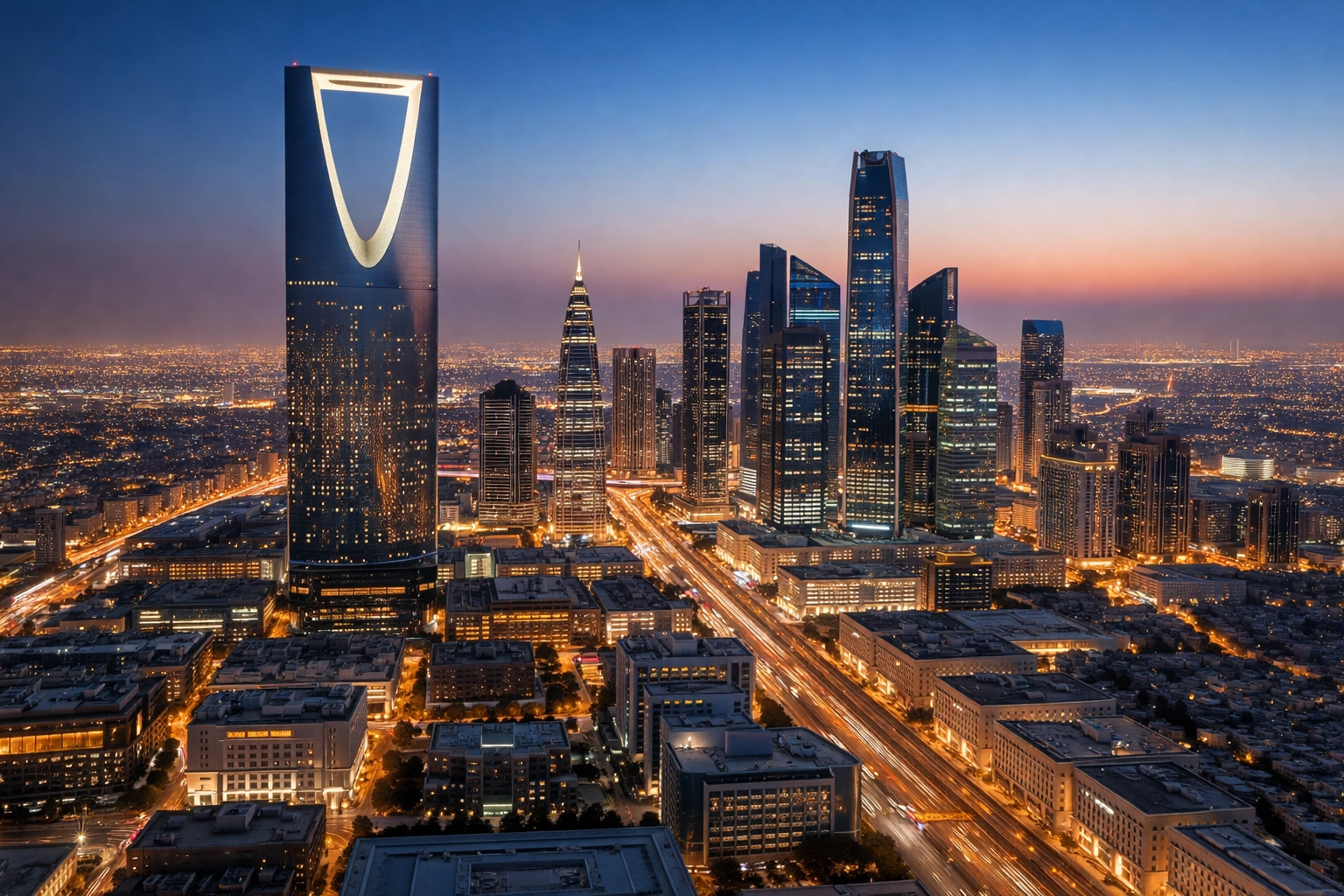
Riyadh has emerged as the undisputed heavyweight. Saudi Arabia's sheer market size, aggressive diversification agenda, and the government's willingness to deploy capital at scale make it impossible to ignore. If you're not in Riyadh, you're leaving money on the table.
Dubai remains the region's business gateway: more cosmopolitan, with a deep bench of international investors and a mature ecosystem of advisors, accelerators, and venture funds. It's often where relationships begin before expanding to other markets.
Abu Dhabi punches above its weight with sovereign wealth giants like Mubadala and ADQ actively seeking growth equity opportunities. The city's financial free zones offer sophisticated structures for cross-border deals.
Doha and Manama round out the picture, each with their own niches and advantages. Qatar's focus on innovation and technology, combined with its sovereign wealth firepower, makes it particularly attractive for certain sectors. Bahrain's fintech-friendly regulatory environment has made it a sandbox for financial innovation.
Why Regional Expertise Is Non-Negotiable
Let's be direct: you can try to navigate this landscape alone, but you probably shouldn't.
The difference between a successful capital raise and a frustrating exercise in dead ends often comes down to who's guiding you. The right advisory partner brings more than just introductions: they bring credibility, cultural fluency, and the ability to structure deals that work for all parties.
This is what we do at Licorne Gulf. With over $2.5 billion deployed and nearly three decades of experience across the GCC, UK, and Switzerland, we've developed the relationships and expertise that turn potential into closed transactions. We understand both sides of the table because we've sat on both sides.
For more insights on global investment trends and how they're shaping the regional landscape, explore our recent analysis on 2024 investment milestones.
Your Next Steps
Raising growth capital in the Middle East isn't about luck. It's about preparation, positioning, and having the right partners in your corner.
Start by auditing your corporate structure and ensuring regulatory alignment. Refine your narrative to connect with national development agendas. Begin building relationships now: before you desperately need them. And craft a value creation story that emphasizes sustainability over hype.
The capital is here. The appetite is real. The question is whether you're ready to meet this market where it stands.


Comments